If you are a parent searching for reliable information about your child’s dental health, you may be wondering what does a paediatric dentist does and how they differ from a general dentist. Children’s teeth, jaws, and oral habits develop rapidly, and early dental care plays a crucial role in long-term health, confidence, and comfort.
A paediatric dentist is a dentist who has completed additional specialist training focused entirely on the oral health of babies, children, and adolescents. Their role goes beyond treating teeth. It includes prevention, education, behaviour management, and supporting families through every stage of a child’s dental development.
This guide explains exactly what a paediatric dentist does, when your child should see one, and why specialist children’s dental care can make a lifelong difference.
A paediatric dentist is a dental specialist trained to manage the unique dental needs of children from infancy through to the teenage years. After qualifying as a dentist, they complete several additional years of postgraduate training focused on child development, paediatric oral health, and behaviour management.
This advanced training allows paediatric dentists to:
Unlike general dental care, paediatric dentistry is built around prevention, reassurance, and age appropriate treatment.
A paediatric dentist provides a wide range of dental treatments designed specifically for children and young people. All care is tailored to a child’s age, stage of development, and emotional needs, with a strong focus on prevention, comfort, and long-term oral health.
Preventative care is the foundation of paediatric dentistry. These treatments help protect developing teeth, reduce the risk of decay, and support healthy habits from an early age.
Preventative treatments include:
• Fluoride varnish application to strengthen enamel
• Fissure sealants to protect back teeth from decay
These simple but effective treatments play a key role in preventing cavities and reducing the need for more complex dental work later on.
When teeth are affected by decay or damage, paediatric dentists use child-appropriate techniques to restore function and appearance while keeping treatment as gentle as possible.
Restorative treatments include:
• Tooth-coloured fillings
• Tooth-coloured crowns
• Metal crowns
• Silver diamine treatment
• Root canal treatment for baby teeth
• Root canal treatment for adult teeth
• Bridges where appropriate
Treatment plans are always adapted to suit the child’s cooperation level, comfort, and long-term dental development.
Some children require treatment to improve the appearance of their teeth or support proper dental development. These treatments are planned carefully and only recommended where appropriate.
Cosmetic and developmental treatments include:
• Resin infiltration
• Microabrasion
• Removable appliances
• Tooth-coloured veneers
These options can help manage enamel defects, discolouration, or alignment concerns in a conservative way.
Paediatric dentists are also trained to carry out a range of surgical procedures safely and sensitively, with a strong emphasis on reassurance and pain control.
Surgical treatments include:
• Removal of baby teeth
• Removal of adult teeth
• Frenectomy
• Expose and bond canine
• Tongue tie release
• Soft tissue surgery
Each procedure is carefully planned, with clear explanations provided to parents and age appropriate communication used with children.
Across all treatments, paediatric dentists use specialist behaviour management techniques to help children feel calm and supported. Appointments can be adapted with longer time slots, gentle pacing, and clear communication to meet the needs of anxious children or those with additional requirements.
Click here to view all Dental Treatments
Most professional dental bodies recommend a child’s first dental visit by their first birthday or when their first tooth appears. Early visits focus on familiarisation rather than treatment.
Children may benefit from seeing a paediatric dentist if they:
Early specialist care helps prevent problems from becoming more serious later.
While general dentists are trained to treat patients of all ages, paediatric dentists focus exclusively on children. This difference is reflected in both training and approach.
Paediatric dentists receive:
Clinics specialising in paediatric dentistry are also designed to feel welcoming and reassuring for children, rather than clinical or intimidating.
Paediatric dental check ups
Routine check ups allow growth and tooth eruption to be monitored closely. These visits also give parents ongoing guidance on brushing, diet, and oral habits.
Fluoride and sealant treatments
Fluoride strengthens developing enamel, while fissure sealants protect the deep grooves of back teeth that are prone to decay.
Treatment of dental trauma
Children are prone to accidents, especially during sports or play. Paediatric dentists are trained to manage chipped, knocked out, or displaced teeth quickly and effectively.
Monitoring growth and development
Jaw growth, bite alignment, and spacing are closely monitored. Early referral for orthodontic assessment can prevent more complex issues later.
Education for parents and children
A key part of paediatric dentistry is education. Parents receive tailored advice on brushing techniques, toothpaste use, diet, and habits that affect oral health.
Good oral health in childhood sets the foundation for lifelong wellbeing. Untreated dental problems can affect speech, nutrition, sleep, and self confidence.
Early paediatric dental care helps:
Investing in specialist care early often leads to fewer dental problems in adulthood.
When choosing a paediatric dentist, parents should look for experience, qualifications, and a genuine focus on children’s wellbeing.
At Dr Mali Dental Clinic, children’s dentistry is led by Dr Malihe Moeinian, a Specialist in Paediatric Dentistry with extensive postgraduate training and academic experience. Dr Mali graduated from dental school in 2007 and completed three years of specialist training at Barts and The London Dental Hospital. She also holds a PhD from Queen Mary University of London and memberships with the Royal College of Surgeons of England and Edinburgh.
This level of specialist training provides parents with reassurance that their child is receiving evidence based, child centred care aligned with the highest professional standards.
Paediatric dentists do more than treat teeth. They guide families through each stage of dental development, from teething and first brushing habits to managing adult teeth and adolescence.
By focusing on prevention, reassurance, and education, paediatric dentistry supports:
This holistic approach is particularly valuable during early childhood, when habits and attitudes are formed.
Book a paediatric dental consultation here
Phone: 020 8050 5411
Email: info@drmalidental.co.uk
If you are looking for expert, child focused dental care in London, a paediatric dentist can provide reassurance, prevention, and specialist treatment tailored to your child’s needs.
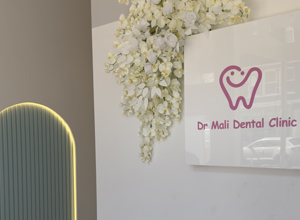
Dr Mali Dental Clinic is based at 64 Fulham High Street, SW6 3LQ, offering a calm, child friendly environment designed to support positive dental experiences from the very first visit.
Fields with (*) are required.
Please contact us via this website or email without disclosing confidential information.